



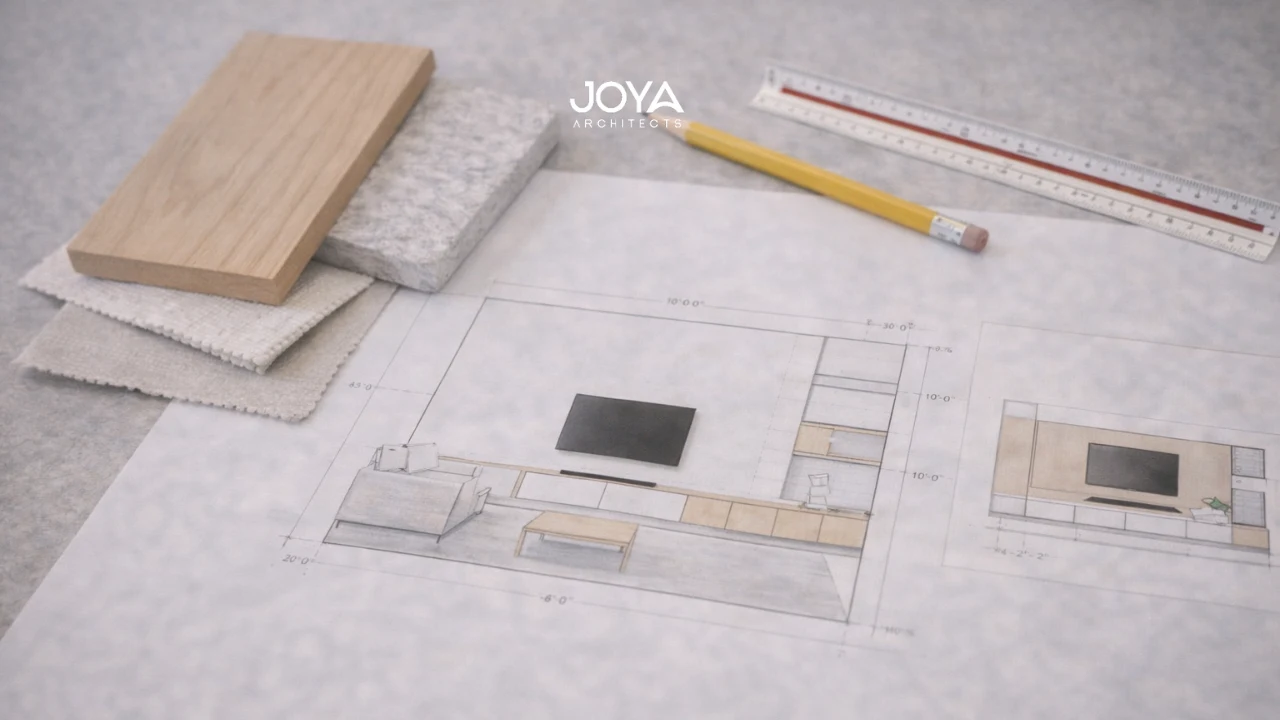
Color plays a subtle yet powerful role in architecture. While furniture and decorative elements can change over time, the color palette of a home often establishes its long-term visual identity.
For homeowners exploring a minimalist color palette, the objective is not simply limiting color choice but creating an environment where surfaces, materials, and light interact harmoniously.
Minimalist palettes frequently appear in contemporary residential architecture because they allow spatial form and natural light to become the dominant visual elements.
Understanding what interior design is helps explain why color selection is rarely treated in isolation. Interior design involves coordinating material finishes, lighting conditions, and spatial proportions so that the entire environment feels cohesive.
For homeowners in the design exploration stage, a carefully considered palette can establish a calm and enduring atmosphere throughout the living spaces.
A minimalist palette typically begins with a neutral base.
Neutral tones, such as warm whites, soft greys, muted beiges, and natural timber hues, create a stable visual foundation for the interior environment. These colors allow architectural surfaces to reflect natural light evenly while maintaining visual clarity.
This approach aligns closely with neutral color palette interior design, where restrained tones create subtle variation without overwhelming the space.
For example, a living room may combine off-white walls, light timber flooring, and a soft grey sofa. Although the colors remain neutral, the contrast between materials creates depth and visual interest.
Architects often coordinate color selection with architectural planning room layouts, ensuring that the palette supports the spatial hierarchy of the room.
A practical homeowner scenario illustrates this principle.
A homeowner designing a custom living room may initially choose several contrasting paint colors to create visual excitement. During design exploration, the architect may recommend consolidating the palette into two or three complementary tones instead.
The room ultimately feels more expansive and refined because the visual field remains calm and cohesive.
Minimalist palettes therefore emphasize harmony rather than color variety.

Color in minimalist interiors rarely exists independently from materials.
Timber, stone, plaster, and fabric surfaces all contribute to the perceived palette of a room. When these materials share compatible tones, the space feels unified even if multiple textures are present.
This philosophy is closely aligned with minimalist architecture features, where architectural surfaces themselves define the visual character of the interior.
Lighting also plays an essential role.
Understanding the 3 types of artificial lighting helps designers evaluate how different light sources interact with interior colors.
Warm lighting can enhance natural timber tones, while cooler lighting may emphasize grey or stone finishes. Architects therefore coordinate lighting temperature with the selected palette to maintain visual consistency.
A practical example demonstrates this relationship.
A homeowner selecting a minimalist palette for a living room may choose warm off-white walls paired with oak flooring. If the lighting fixtures emit cool-toned light, the overall color balance may appear inconsistent.
By specifying warmer lighting temperatures, the architect ensures the room maintains a cohesive visual atmosphere.
This careful coordination between color, material, and lighting is fundamental to minimalist interior environments.
Many homeowners researching minimalist interiors encounter references to Muji style interior design.
Muji aesthetics originated from Japanese design philosophy, emphasizing simplicity, functionality, and material authenticity. In Muji-inspired interiors, natural materials and muted colors dominate the palette.
Homeowners often ask if it is Muji style minimalist. In many ways, it is a refined interpretation of minimalist design.
Muji interiors typically incorporate:
These elements create environments that feel calm and grounded without appearing sterile.
Architects sometimes reference Muji-inspired palettes when developing minimalist interiors because the emphasis on natural materials aligns with contemporary architectural practice.
However, minimalist color strategies can vary depending on the architectural context of the home.
For example, a modern urban apartment may combine grey concrete surfaces with white walls and darker furniture accents. In contrast, a suburban custom home may incorporate warmer tones derived from timber flooring and natural stone finishes.
The key principle remains consistency: materials and colors should work together rather than compete for attention.
Homeowners frequently ask what are the best colors for minimalists or what are the basic 7 color schemes used in interior design.
While color theory includes a range of structured schemes, such as monochromatic, analogous, complementary, triadic, split-complementary, tetradic, and neutral palettes, minimalist interiors typically rely on simpler combinations.
Monochromatic or neutral-based schemes often work best because they maintain visual calmness.
For example, a minimalist living room may use several shades of the same color family:
This layered approach creates depth while maintaining simplicity.
Design principles discussed in 7 key principles of interior design also guide minimalist palette selection. Balance, harmony, and proportion ensure that color distribution remains visually comfortable throughout the room.
A practical homeowner scenario illustrates this clearly.
A homeowner planning a minimalist home may initially select bright accent colors for multiple rooms. During design exploration, the architect may recommend restricting accent colors to small decorative elements while maintaining a neutral architectural base.
This allows the overall home to feel calm and cohesive while still accommodating personal expression.
Minimalist color palettes therefore prioritize spatial harmony over visual intensity.
A minimalist color palette is not defined by the absence of color but by thoughtful restraint and harmony between materials, lighting, and architectural form.
Neutral tones, natural materials, and subtle variations in shade allow living spaces to feel calm, balanced, and timeless. When these palettes are integrated with the architectural structure of the home, they enhance the perception of space while supporting everyday comfort.
For homeowners exploring minimalist interiors during the design exploration phase, early consideration of color strategy ensures that finishes, materials, and lighting work together cohesively.
Minimalist palettes ultimately allow the architecture itself to become the defining element of the living environment.
If you are exploring a minimalist color palette as part of a custom home or knockdown rebuild project, thoughtful coordination of materials, lighting, and spatial planning can ensure the interior environment remains calm, balanced, and enduring.
At Joya Architects, interior color strategies are developed alongside architectural planning to create cohesive living environments that support both aesthetic clarity and everyday living.
Learn more about how our team approaches residential interior design and spatial planning through our residential interior design services.