




Red flags in an architect’s past work include unclear project credits, unexplained gaps between proposals and built results, and repeated difficulty describing how problems were resolved. Investigate these through specific questions and supporting records. A single photograph, complaint or missing reference rarely provides enough context for a fair conclusion.
The Board of Architects register provides an independent starting point for checking an architect’s identity. BOA also explains practising-certificate requirements in its registration and application guidance. Verify the individual and practice relevant to your proposed appointment, rather than assuming a portfolio website answers every credential question.
Registration is not a rating of a particular house or an assurance that a practice fits your brief. Keep professional-status checks separate from assessment of design, service and project evidence. Both matter, but they answer different questions.
Ask whether each example is completed, under construction, an unbuilt proposal or work undertaken while employed elsewhere. A rendering can explain an idea effectively when labelled honestly. Problems arise when presentation blurs these categories or implies responsibility for work the current team did not undertake.
Request a plain description of scope: design architect, submitting professional, interior designer, collaborating practice or another role. Work completed at a previous employer can demonstrate individual experience, but the explanation should distinguish that experience from the current firm’s resources and responsibility.
A project story should remain consistent when you move from a broad presentation to specific questions. If a claimed cost excludes major works, ask for the cost basis. If a completion date changes, establish whether it refers to statutory completion, moving in or the end of later improvements.
Differences may have reasonable explanations. The concern is an unwillingness to clarify them, especially when the same ambiguity appears across several projects. Write down the unresolved point and ask for a follow-up response instead of trying to settle it during a rushed presentation.
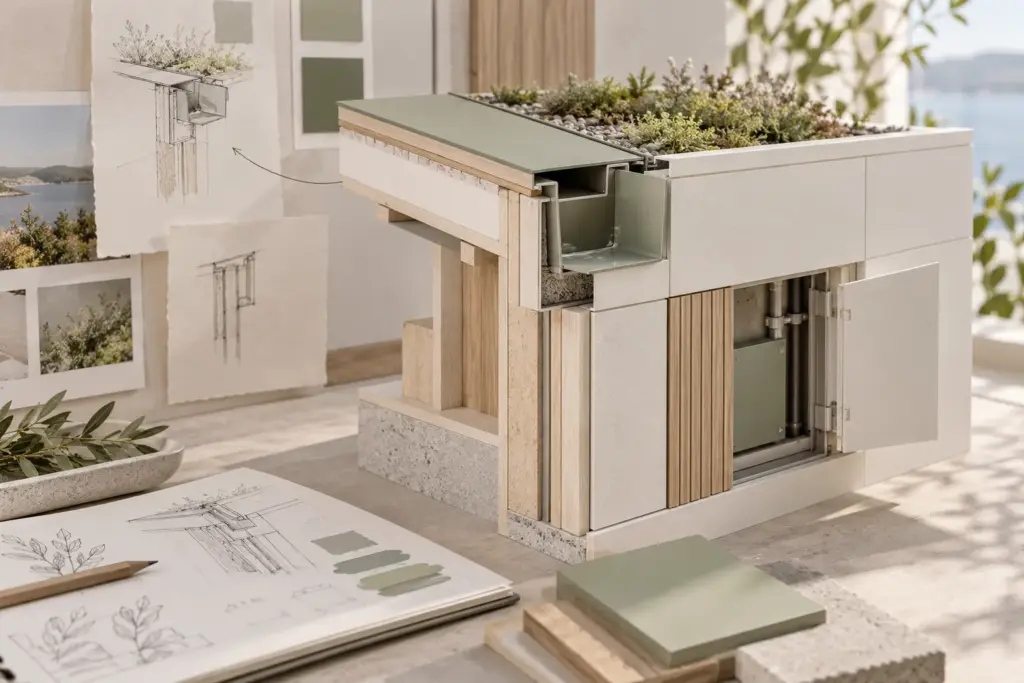
A stain, crack or altered detail can have several explanations. Design, workmanship, later modifications, maintenance and exceptional events may all be relevant. Avoid diagnosing a building from an image. Ask what was investigated, which professional assessed it and what action followed.
The useful distinction is between an issue and an unresolved pattern. A practice that can explain how a problem was identified, documented and addressed gives you something to evaluate. A blanket statement that every issue was somebody else’s fault leaves the process unclear.
Similarly, an attractive finished project does not establish that every stage went smoothly. Ask about one difficult decision and how the owner was involved. You are assessing whether the team can handle uncertainty responsibly, rather than expecting a history without changes or disagreements.
A portfolio cost figure becomes meaningful only when you know its date, scope and exclusions. Check whether it includes external works, specialist systems, professional fees and owner-supplied items. Compare the original brief with the final scope before interpreting a difference as an overrun.
For timing, distinguish authority review, tendering, construction and owner-requested changes. Ask which events affected the programme and when the owner was informed. A useful account identifies dependencies and decisions; a promise that your project cannot face similar uncertainty deserves further questioning.
Do not require private contracts or another homeowner’s financial information as a condition of a first conversation. An anonymised explanation may be sufficient. If confidentiality limits disclosure, the practice can describe its process and agree what evidence is reasonable to provide later.
Where an owner agrees to speak, ask about communication, decision deadlines and the handling of unexpected issues. Find out who actually attended meetings and whether the team explained choices clearly. Ask what the owner would prepare differently if starting again.
A reference from a very different project may have limited relevance. Give greater weight to a comparable scope and recent team, while recognising that one person’s preferences may differ from yours. Record concrete examples rather than reducing a reference to whether the owner sounded enthusiastic.
Maintain a short table with the concern, explanation, evidence and remaining question. Some points will close once a drawing or project credit is clarified. Others may remain important enough to affect your shortlist. Repeated evasiveness about essential facts is more significant than a minor presentation omission.
Balance this review with the positive evidence described in what design quality looks like in landed homes. The broader guide to reading an architect’s portfolio helps you assess the whole body of work without turning every difference in taste into a warning sign.
Bring two unresolved questions and identify the evidence that would answer them. Allow the architect a reasonable opportunity to explain. If you are preparing a landed project, contact Joya to discuss the brief and relevant project experience, including how responsibilities and communication would be set out.
It calls for clarification, especially if you need evidence of construction delivery. Renderings are legitimate when identified as proposals. Ask which projects were completed, what role the architect performed and what other evidence demonstrates technical and site experience. A new practice may also have relevant prior employment experience.
Not automatically. Consider whether the review describes a specific, relevant issue and whether other evidence supports a pattern. Seek context without requesting confidential information. Your decision should reflect the seriousness of the concern, the response provided and the fit between the proposed service and your own needs.
You can ask, but access depends on the homeowner’s permission and practical arrangements. Respect a refusal and avoid treating it as evidence of poor work. Alternatives include anonymised drawings, completion photographs, a permitted reference conversation or a clear explanation of design decisions and construction responsibilities.
No. Defects can involve design, installation, materials, maintenance or later alterations, and responsibility depends on the facts and appointments. A photograph rarely establishes the cause. Ask how the issue was assessed and resolved, and seek an appropriate professional inspection where a particular building condition concerns you.