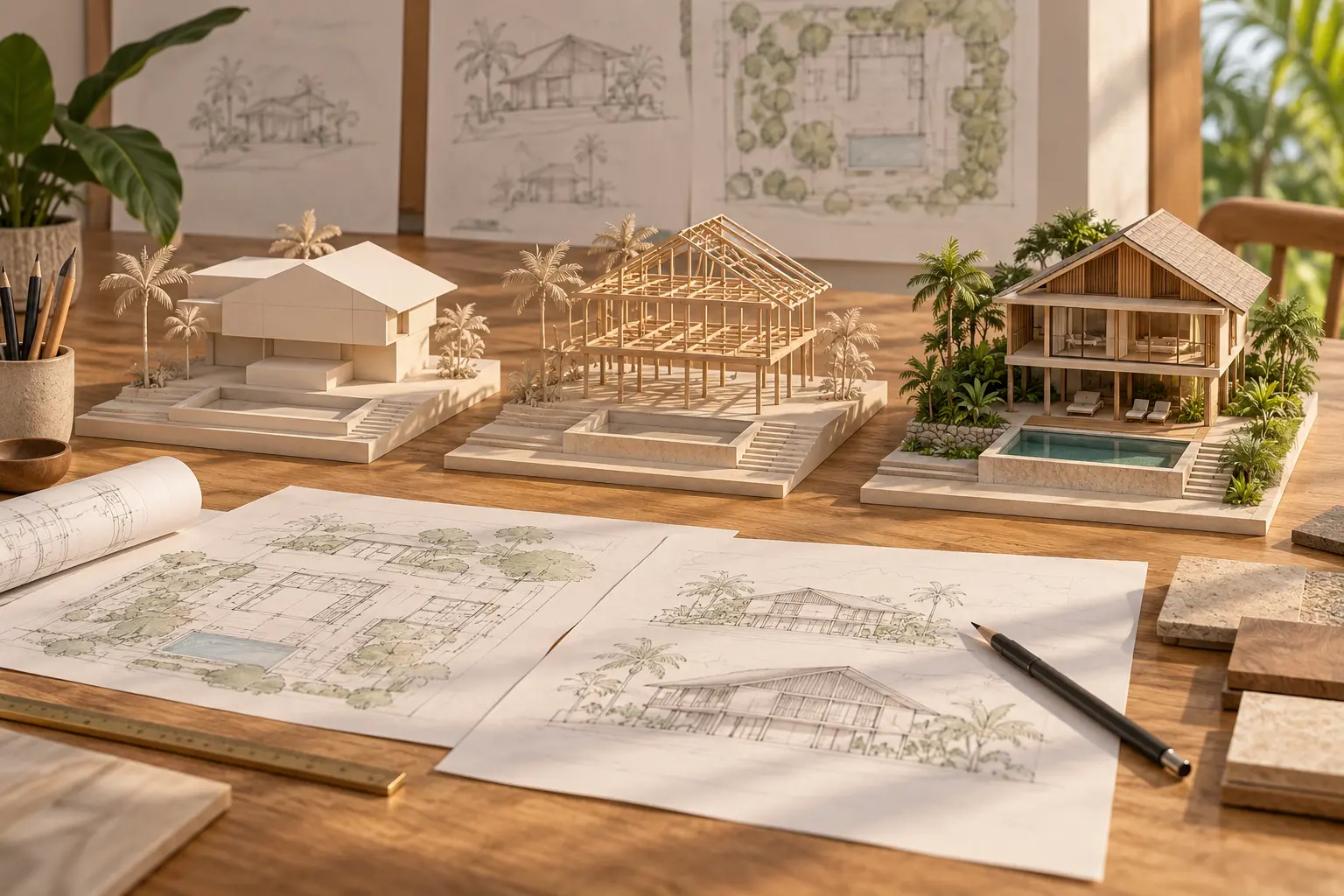
Landed Home Project Timeline: From Brief to Handover
By achmad
2026-10-07 19:12:59
A landed home project timeline runs from the initial brief through feasibility, coordinated design, approvals, tendering, procurement, construction and handover. A useful programme shows the dependencies between these activities, the decisions required from the owner and the evidence needed to progress.
The number of months depends on the scheme and site. This guide explains the full sequence rather than promising one duration for every home. Read it alongside the parent guide to how long a landed reconstruction project takes, then request a programme prepared for your actual scope.
What an official processing period does and does not cover
BCA’s TOP/CSC application guidance states that TOP applications are processed within seven working days after complete documents are submitted. That service standard is not the time needed to finish construction, obtain all relevant clearances or assemble the application.
This distinction matters throughout the programme. A published processing period applies to a defined step with prerequisites. Ask the team to include the work needed to reach that step, as well as any necessary responses or rectification, before using it to predict a moving date.
Start the landed home project timeline with evidence
Stage 1: Brief and initial feasibility
Set out the household’s essential requirements, financial framework and intended occupation plans. Review available site information and existing-building records. The first useful milestone is agreement on a plausible scope and the investigations needed to test its most significant assumptions.
The programme is easier to discuss when each milestone is related to the six stages of the design and build process.
Record what remains uncertain. An early sketch can support a decision without establishing every construction detail, but its limitations should travel with it. Assign responsibility for surveys, records and specialist advice so missing information does not become an invisible dependency later.
Stage 2: Concept and coordinated design
Compare arrangements before selecting a preferred scheme. Then coordinate architecture, structure and services to the level needed for the next decisions. Keep cost review connected to design development, especially when floor area, structural complexity or specification changes.
Owner decisions need dates too. A late change to the stair or a major room can affect several disciplines. The programme should identify when those decisions are required and explain the consequences of reopening them after related work has progressed.
Connect approvals, tendering and procurement
Stage 3: Relevant submissions and clearances
The Qualified Person should establish the applicable submission route and authority dependencies. PUB’s submission process guidance, for example, distinguishes development-control and detailed-plan clearances for relevant sewerage, sanitary and drainage works. A programme should reflect the requirements actually applying to the project.
Do not assume every application proceeds independently or that one approval completes the regulatory process. Maintain a register showing submissions, responses, outstanding information and required clearances. Use it to explain what is holding the next action, rather than describing the whole period simply as approvals.
Stage 4: Tender and contractor appointment
Issue coordinated information sufficient for the intended pricing exercise. Allow time for tender queries, comparison of exclusions and clarification before appointment. A low figure returned quickly is not equivalent to a resolved construction scope.
Before committing, align the contract documents, programme, allowances and responsibilities. If some work remains provisional, make it visible. Ask which information must be completed before procurement or construction of that package can proceed.
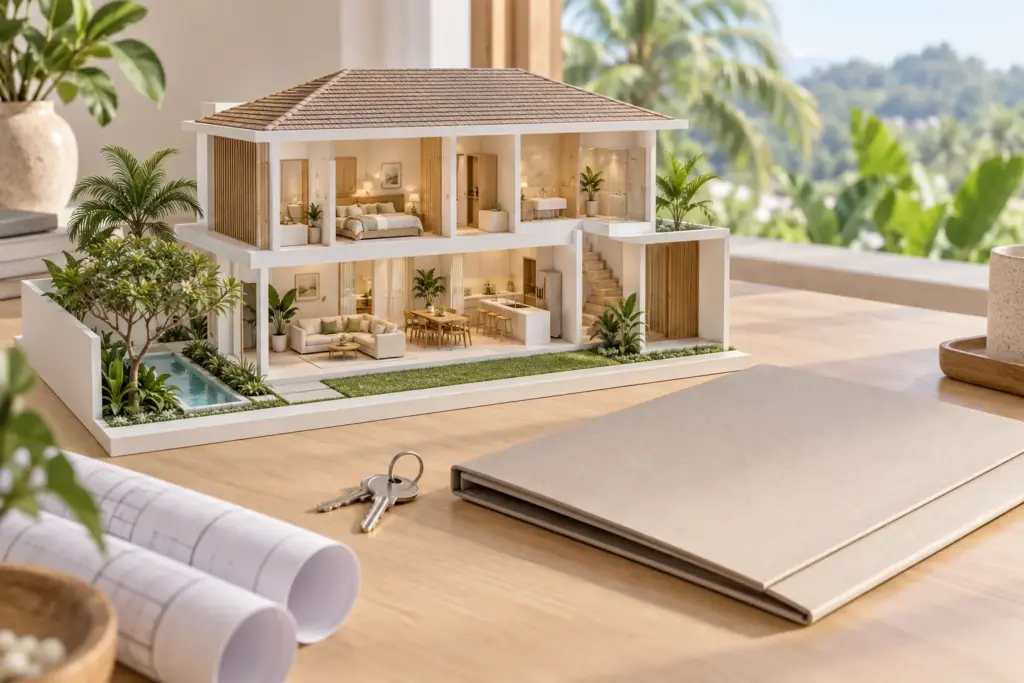
AI-generated conceptual illustration, not to scale; not an approved plan or completed Joya project.
Stage 5: Procurement and mobilisation
Identify items requiring early selection, specialist design, fabrication or delivery. Confirm the interface between supplier information and building work. A lift, window system or other package may need coordinated dimensions before its order can be finalised.
Some activities can overlap when properly planned, but overlap is not a free reduction in programme length. Starting an activity on unresolved assumptions may create rework. Ask the team to distinguish deliberate overlap from dates that merely happen to occupy the same weeks on a chart.
Your landed home, your next step
Looking for an architect for your landed home?
Explore Joya’s principal-led approach to Singapore landed-home projects, from the first design discussions through submissions and construction.
Follow construction through to operational readiness
Stage 6: Construction and progress review
Track actual progress against the agreed sequence. Review upcoming information needs, inspections and owner decisions at regular intervals. The useful discussion is not only what percentage is complete, but which unfinished activity now controls the next milestone.
Record changes with their cost and time implications. A revised completion forecast should explain the cause, affected activities and recovery assumptions. Avoid repeatedly moving the end date without showing how the intervening work is expected to be achieved.
Stage 7: Testing, occupation requirements and handover
Plan testing, commissioning, relevant inspections and completion documents before the final weeks. BCA distinguishes TOP and CSC by their applicable requirements and outstanding matters. The project team should establish the appropriate occupation route instead of treating visual completion as permission to move in.
Contractual handover also needs an agreed process. Confirm outstanding work, operating information, warranties, access arrangements and the handling of defects under the contract. Keys alone do not communicate how the home’s systems should be used or which obligations remain.
Use one programme with clear decision dates
The existing overview of architectural design stages provides supporting context for the professional work. The detailed programme should connect that work to owner decisions, authority requirements and the builder’s activities, with one current version available to the team.
For illustration, if a product needs confirmed dimensions before fabrication, the decision date must precede its required installation date by the necessary design, approval and supply period. Work backwards from the dependency. An installation date alone cannot tell you when to choose the product.
Agree the next milestone before fixing the move
Bring the brief, site information and any existing programme to Joya Architects for an initial discussion. Ask for the next deliverable, responsible person and decision date. Confirm occupation readiness with the project team before committing to an irreversible moving arrangement.
Frequently asked questions
When does the project timeline begin?
It begins with briefing and feasibility if you want to understand the full period before occupation. A construction programme starts later and covers a narrower scope. Ask for a combined view that includes investigations, design, relevant submissions, tendering, procurement and the completion activities needed before handover.
Can design and approvals happen at the same time?
Some work may overlap where the team has coordinated the dependencies and information requirements. That does not mean every decision can remain open. Ask which parts of the design must be sufficiently resolved for each submission and how subsequent changes would affect documentation, pricing and programme.
Does TOP mean every contractual item is finished?
Not necessarily. Occupation requirements and contractual completion should be assessed separately by the project team. Confirm what remains outstanding, the terms governing handover and the arrangements for completing or rectifying work. Do not assume an occupation milestone automatically resolves every contractual obligation or owner procurement item.
How can an owner help prevent avoidable delays?
Agree the brief early, provide requested information and make decisions by the dates established with the team. When changing instructions, ask for the scope, cost and time consequences together. Maintain one current decision record so consultants, suppliers and the builder are working from the same agreed information.
Your landed home, your next step
Start a conversation about your landed home
Share your property type, project priorities and where you are in the planning process. Discuss your next steps with Joya.