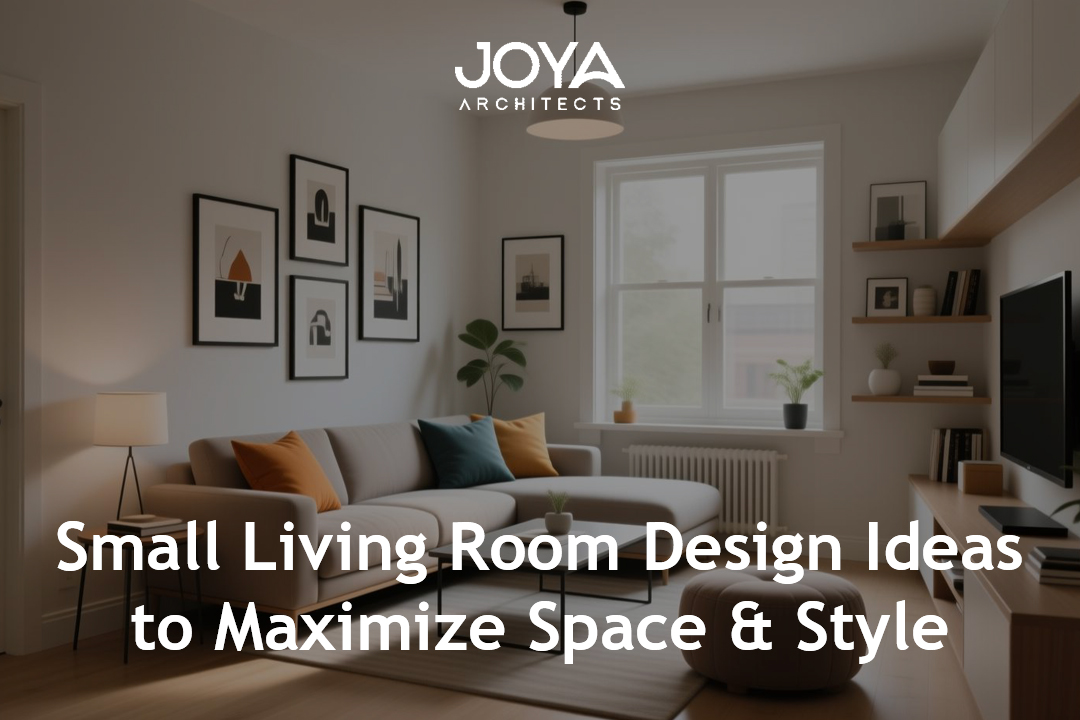
Living with a small living room often feels like a puzzle with pieces that won’t fit. It’s a common challenge in modern homes, where every square foot counts, forcing a difficult choice between cherished style and essential functionality. You might feel that your space is inherently cramped, cluttered, and impossible to decorate without compromise. But what if that compact footprint wasn’t a limitation, but an opportunity?
This guide is your comprehensive solution, packed with actionable, architect-approved small living room design ideas. We will transform your perspective, covering everything from foundational furniture layouts and clever storage to budget-friendly hacks and seamless technology integration. Prepare to unlock your living room’s true potential and prove that great design works wonders, no matter the size.
Master Your Layout: Furniture & Arrangement Strategies
The foundation of any successful small living room is a thoughtful layout. Before you consider paint colours or decorative accents, mastering the placement of your furniture is paramount. A strategic arrangement can create a sense of openness, improve flow, and make the entire room feel more intentional and spacious.
Choose Smart, Multifunctional Furniture
In a compact space, every piece of furniture must earn its place. The key is to select items that offer more than one function, effectively reducing the number of pieces you need and banishing clutter.
- Sleeper Sofas or Modular Sectionals: A modern sleeper sofa provides comfortable seating by day and a guest bed by night, eliminating the need for a separate guest room. Modular sectionals are even more versatile, allowing you to reconfigure the layout to suit any occasion, from a movie night to a social gathering.
- Ottomans and Benches with Hidden Storage: Swap a traditional coffee table for a storage ottoman. It serves as a footrest, extra seating, a surface for a tray, and a hidden compartment for blankets, magazines, or remote controls.
- Nesting Coffee Tables or C-shaped Side Tables: Nesting tables offer flexible surface area; you can spread them out when guests are over and tuck them away to save space during daily life. C-shaped tables are designed to slide over the arm of a sofa, providing a convenient spot for a laptop or a drink without taking up floor space.
- Expandable Dining Tables: If your living room doubles as a dining area, an expandable table that can function as a slim console against a wall is a game-changer. It remains unobtrusive for everyday use and expands to accommodate dinner parties.
Scale Down: The Power of Proportionate Pieces
The single biggest mistake in designing a small living room is using furniture that is too large for the space. Bulky, oversized pieces visually shrink a room, making it feel crowded and unbalanced. The principle of proportion is your most powerful tool.
- Avoid Bulky Silhouettes: Heavy, blocky furniture consumes both physical and visual space. Instead, look for pieces with clean lines and a more delicate profile.
- Opt for “Leggy” Furniture: Sofas, consoles, and armchairs raised on visible legs create an illusion of spaciousness. Allowing you to see the floor underneath makes the room feel lighter and more open.
- Choose Apartment-Sized Pieces: Many retailers now offer “apartment-sized” collections. Look for loveseats under 180 cm wide and armchairs with a depth of less than 82 cm. These are specifically designed for compact living without sacrificing comfort.
- Use Transparent Furniture: An acrylic or glass coffee table can almost disappear visually. This trick provides the functionality you need without adding visual weight, keeping the space feeling uncluttered.
Strategic Arrangement to Create Flow
How you arrange your furniture is just as important as what you buy. A well-planned layout promotes easy movement and creates a more harmonious atmosphere.
- Create “Breathing Room”: Resist the urge to push every piece of furniture against the walls. As our design lead at JOYA Architects notes, “The biggest mistake people make is pushing all furniture against the walls. Pulling your sofa forward just a few inches creates a sense of airiness that instantly makes the room feel larger.”
- Establish a Focal Point: Decide on one central focal point and arrange furniture around it. This could be a large piece of artwork, a beautiful window view, or the television. This creates a natural anchor for the room and makes the layout feel purposeful.
- Ensure Clear Pathways: Imagine walking through the room. Your main pathways should be clear and unobstructed. A clear path from the door to the sofa, for example, makes the space more functional and feel less cramped.
Tackling Awkward Layouts
Not all rooms are perfect squares. Awkward dimensions present unique challenges, but also unique opportunities for creative zoning and clever furniture placement. These layouts are a common puzzle, but with the right approach, you can turn a difficult space into a highly functional and stylish one. From long, narrow “bowling alley” rooms to L-shaped nooks, the key is to work with the architecture, not against it. By defining zones, using smart shapes, and creating visual separation, you can bring balance and purpose to even the most challenging floor plan.
- For Long, Narrow Rooms: The primary challenge here is avoiding a tunnel-like effect. The solution is to create two or more distinct zones. For example, use the main part of the room for a seating area with a small sofa and chairs, and dedicate the far end to a reading nook with a single armchair, a floor lamp, and a small side table. To break up the linear feel, place a circular or oval-shaped rug in the main seating area. This visual interruption stops the eye from scanning straight to the end of the room and helps define the zone. A slim console table behind the sofa can also add a layer of separation between zones.
- For L-Shaped Rooms: An L-shaped room naturally lends itself to zoning. Place your primary seating arrangement—typically the sofa and coffee table—in the larger section of the “L.” This becomes your central living and entertainment hub. The smaller, more secluded section is a perfect opportunity for a secondary function. It can become a dedicated home office with a minimalist desk, a children’s play area with soft flooring and toy storage, or a quiet library corner with a tall bookcase and a comfortable chair. Use consistent flooring to maintain a sense of unity, but define each space with its own area rug.
- For Open-Concept Spaces: In a studio or open-plan home, the goal is to create a distinct living room without building walls. A large area rug is the most effective tool for this; it acts as a visual “island” that clearly defines the boundaries of the living area. Another powerful technique is to use furniture as a divider. Position your sofa with its back facing the dining area or kitchen. This creates a strong, yet permeable, visual separation. Adding a slim console table behind the sofa further solidifies this “wall,” providing a functional surface for lamps or decor and a graceful transition between zones.
Clever Storage Solutions to Banish Clutter
In a small living room, clutter is the enemy of style and space. Effective storage isn’t just a nice-to-have; it’s an absolute necessity. The goal is to create a home for everything, keeping surfaces clear and the room feeling calm and organized.
Go Vertical: Use Your Walls to the Fullest
When floor space is limited, your walls are your greatest asset. Thinking vertically draws the eye upward, creating an illusion of height while providing valuable storage.
- Tall, Narrow Bookcases: A tall bookcase that reaches toward the ceiling makes the room feel taller. Choose a slim design that doesn’t jut out too far into the room. Painting it the same colour as the wall helps it blend in seamlessly.
- Floating Shelves: These are perfect for displaying books, plants, and decor without the bulk of a traditional shelving unit. Arrange them asymmetrically for a more dynamic, modern look or in a neat grid for a classic feel.
- Wall-Mounted Media Consoles: A media console that floats off the ground frees up valuable floor space, making the room easier to clean and creating a lighter, more open aesthetic.
Hidden in Plain Sight: Furniture with Integrated Storage
The best storage solutions are the ones you don’t see. Many furniture pieces are now designed with clever, integrated storage that helps you keep clutter out of sight.
- Coffee Tables with Drawers or Lift-Tops: A lift-top coffee table provides a hidden compartment for laptops, magazines, and remotes, and also rises to a comfortable height for working or dining.
- Side Tables as Small Cabinets: Instead of a simple table, opt for a side table with a door or drawers. This provides a concealed spot to stash coasters, charging cables, and other small necessities.
- Sofas with Built-in Storage: Some sofa designs feature hidden storage compartments under the chaise lounge or cushions, perfect for stashing extra bedding or seasonal items.
The Art of Concealment
Even with smart furniture, some items will remain visible. The final layer of storage strategy is about elegantly concealing the remaining clutter.
- Decorative Boxes and Baskets: Use stylish woven baskets or sleek decorative boxes on open shelves to group and hide smaller, less attractive items. This turns clutter into a curated decorative element.
- Sliding Doors on Media Units: A media console with sliding doors allows you to hide electronics, gaming consoles, and messy cables when they’re not in use, creating a clean, minimalist look.
- Floor-to-Ceiling Curtains: This is a fantastic hack for concealing an entire wall of open shelving. Install a curtain track at the ceiling and use beautiful, full-length drapes to hide the storage unit, adding a touch of softness and texture to the room.
The Magic of Color, Light, and Decor
Once your layout and storage are sorted, you can use visual tricks to make your living room feel significantly larger, brighter, and more inviting. This is where the magic of interior design comes into play, manipulating perception with colour, light, and reflection.
Expand Your Space with a Light & Neutral Color Palette
Colour is one of the most effective tools for influencing the perception of space. Light colours are reflective, bouncing light around the room to create a bright and airy feel.
- Shades of White, Cream, and Soft Gray: Painting your walls in pale, neutral shades like off-white, cream, soft grey, or beige is a classic strategy for making a space feel larger. These colours serve as a blank canvas that recedes, allowing your furniture and decor to shine.
- The Monochromatic Trick: For maximum effect, paint the walls, trim, and even the ceiling in the same light colour. This blurs the boundaries between surfaces, making it harder for the eye to tell where one ends and the other begins, which creates a seamless, expansive effect.
- Strategic Accent Colors: A neutral room doesn’t have to be boring. Introduce pops of colour through easily replaceable items like pillows, throws, artwork, and rugs. This adds personality without overwhelming the space.
Create Depth and Brightness with Mirrors
Mirrors are a small living room’s best friend. They reflect light, create an illusion of depth, and can double as beautiful decorative pieces.
- Place a Large Mirror Opposite a Window: This is the most effective way to maximize natural light. The mirror will capture the light from the window and bounce it back into the room, instantly making the space feel brighter and more open.
- Create a Mirror Gallery Wall: Instead of art, consider a gallery wall of smaller, decorative mirrors. This creates a fascinating focal point that reflects light and adds a touch of glamour.
- Use Mirrored Furniture: A console table with mirrored surfaces or a cabinet with mirrored doors can add a hint of sparkle while reducing the visual bulk of the piece.
Layer Your Lighting for Ambiance and Function
A single overhead light can cast harsh shadows and make a room feel flat. A layered lighting scheme, combining different types of light, creates warmth, ambiance, and functionality.
- Overhead Lighting: Start with a statement ceiling fixture like a stylish flush-mount or a modest pendant light. Avoid anything too large or low-hanging that could dominate the room.
- Task Lighting: Add functional lighting where you need it most. A sleek floor lamp next to an armchair is perfect for reading, while a slim console lamp can illuminate a dark corner.
- Ambient Lighting: Finish with accent lighting to create a cozy atmosphere. Small table lamps, wall sconces, or even strategically placed uplights behind plants can add a soft, warm glow to the room.
Embrace Nature with Biophilic Design Elements
Bringing natural elements into your living room can make it feel more alive, serene, and connected to the outdoors.
- Add Life with Plants: Plants add colour, texture, and life without creating clutter. They also improve air quality and well-being.
- Best Plants for Small Spaces: Opt for plants with a vertical growth habit, like a snake plant, or trailing plants you can place on high shelves, like a pothos. A ZZ plant is another great low-maintenance option that thrives in lower light.
- Use Natural Materials: Incorporate materials like light wood, jute, rattan, and linen. A jute rug, a wooden side table, or linen curtains can add warmth and texture, making a neutral space feel more grounded and inviting.
Small Living Room Ideas for Every Budget
Creating a beautiful and functional living room doesn’t have to drain your bank account. High-impact design is often about creativity, not cost. With a bit of ingenuity and some clever sourcing, you can transform your space without a significant financial investment. This section proves that whether you’re a fan of DIY projects, a thrifting enthusiast, or simply looking for smart swaps for high-end items, a stunning small living room is well within reach. Let’s explore how to achieve a luxe look for less, focusing on projects and purchases that deliver the most visual bang for your buck.
High-Impact, Low-Cost: DIY Decor Projects
Do-it-yourself projects are the ultimate way to personalize your space and save money. You don’t need to be a master craftsperson to create something beautiful; these simple projects can be completed in a weekend and make a huge difference.
- Create Your Own Large-Scale Abstract Art: A large piece of art can act as a powerful focal point, but gallery pieces are expensive. Buy a large blank canvas and a few sample pots of paint in your chosen accent colours. You can create a simple, sophisticated abstract piece by painting large colour blocks, or get more expressive with splatters and brushstrokes. The result is a custom piece of art that is perfectly scaled for your wall and tailored to your palette.
- Paint an Arch or Color Block: Use painter’s tape to create a bold geometric shape or a soft arch on a key wall—perhaps behind the sofa or a console table. Painting this shape in a contrasting but complementary colour creates the illusion of an architectural feature and adds immense depth and interest for the cost of a single can of paint.
- Upcycle Old Furniture: Give a tired side table, a dated bookcase, or a simple console a new lease on life with a fresh coat of paint. Sand it down, prime it, and paint it a bold accent colour or a chic neutral. You can also easily swap out the hardware (knobs or handles) for an instant, modern update. This transforms a generic or outdated piece into something that feels custom and unique.
Thrifting Treasures: Finding Second-Hand Gems
Second-hand stores, flea markets, and online marketplaces are treasure troves for unique, affordable furniture and decor. Thrifting allows you to find pieces with character that you won’t see in everyone else’s home.
- What to Look For: Keep an eye out for items with good “bones.” Small wooden side tables, unique accent chairs with interesting shapes (which can be easily reupholstered), and ornate picture frames are fantastic finds. Look for solid wood construction and classic lines.
- Tips for Cleaning and Restoring: Always inspect items carefully before buying. For wood furniture, a simple cleaning with a wood-safe product can work wonders. For bigger scuffs, a product like Restor-A-Finish can revive the surface without full refinishing. Upholstered items should be professionally cleaned, or if you’re feeling adventurous, you can learn to reupholster them yourself with online tutorials.
Smart Swaps for Expensive Pieces
Get the high-end look without the high-end price tag by making smart substitutions for popular designer items.
- Media Unit Alternative: Instead of a bulky, expensive media unit, install two long, simple floating shelves on the wall. Place the TV on the top shelf (or mount it above) and use the bottom shelf for a soundbar and a few curated decor items. This approach is minimalist, affordable, and keeps the floor clear.
- Designer Rug Dupe: Large, high-quality rugs can be one of the most expensive items in a living room. To get a similar effect, layer two smaller, more affordable rugs. A large, neutral jute or sisal rug can serve as a base, with a smaller, more colourful or patterned vintage-style rug layered on top to define the main seating area. This adds texture, dimension, and a custom look for a fraction of the cost.
Style-Specific Inspiration for Your Small Space
The core principles of small-space design—smart scale, vertical storage, and light colours—are universal. However, they can be adapted to fit any personal style. Proving that you don’t have to sacrifice your aesthetic vision for functionality, this section demonstrates how to execute some of today’s most popular interior design styles within a compact footprint. Whether you’re drawn to the cozy simplicity of Scandinavian design, the free-spirited nature of Bohemian decor, or the clean precision of Modern Minimalism, there are specific strategies to make it work beautifully in your small living room.
The Small Scandinavian Living Room
Scandinavian design is perfectly suited for small spaces due to its emphasis on light, simplicity, and functionality. The goal is to create a room that feels bright, airy, and calming.
- Key Elements: The foundation is a neutral colour palette of whites, soft greys, and pale blues. Introduce warmth with light wood tones in your furniture, such as a coffee table or media console made of oak, ash, or maple.
- Furniture: Choose pieces with clean lines and minimal ornamentation. A simple, comfortable sofa in a light grey fabric, paired with a leggy armchair, is a classic choice.
- Textiles & “Hygge”: This is where you add coziness (the Danish concept of hygge). Layer cozy textiles like a chunky knit throw blanket, faux fur pillows, and a soft wool rug. Keep window treatments minimal—sheer white curtains are perfect for maximizing natural light.
- Decor: Decor should be purposeful. A few pieces of simple black-and-white graphic art, ceramic vases, and of course, plenty of green plants will complete the look.
The Small Bohemian (Boho) Living Room
Bohemian style is about being eclectic, personal, and embracing a relaxed, layered look. In a small space, the key is “curated maximalism”—achieving a rich look without creating chaos.
- Key Elements: This style is driven by a mix of textures and natural materials. Start with a warm, earthy wall colour or stick with white to let the decor stand out.
- Furniture: Rattan, wicker, and light wood furniture are staples. A low-profile sofa piled with mismatched, colourful pillows is a great starting point. Instead of a single coffee table, consider a cluster of Moroccan-style poufs.
- Layers and Textures: Layered rugs are a hallmark of Boho design. Place a larger jute rug down first, then layer a smaller, colourful patterned or faux hide rug on top. Hang macrame wall hangings or woven tapestries to add texture to the walls.
- Decor: This style thrives on personality. Display a collection of items from your travels, unique vintage finds, and lots of plants. Hanging planters are especially great for small spaces as they draw the eye up and don’t take up any floor space.
The Small Modern Minimalist Living Room
Minimalism in a small living room is about creating a serene, uncluttered, and highly functional space where every single item has a purpose and a place. It’s the art of “less is more.”
- Key Elements: Adhere to a strict neutral palette. Think shades of white, beige, grey, and black. The focus is on form and material, not colour.
- Furniture: Choose furniture with sharp, clean lines and no unnecessary details. A sleek, low-profile sofa, a simple block-style coffee table, and perhaps one iconic accent chair (like an Eames lounge chair replica) are all you need.
- Hidden Storage: This is non-negotiable for a minimalist look. Opt for handle-less, push-to-open cabinets for your media unit and other storage. The goal is to have uncluttered surfaces at all times. Everything should be stored out of sight.
- Decor: Less is truly more. Choose one statement art piece—a large, impactful abstract painting or a striking photograph—to serve as the room’s single focal point. Beyond that, perhaps a single architectural vase or a beautiful design book on the coffee table is all the decor required.
Integrating Technology Without the Clutter
In today’s world, technology is an integral part of our living rooms. From large-screen televisions to sound systems and smart devices, the modern challenge is incorporating these elements without letting them dominate the space or create a tangled mess of wires. A small living room, in particular, can quickly become overwhelmed by black screens and bulky electronics. The goal is to achieve seamless integration, where technology enhances your life but disappears when not in use, preserving the room’s style and serene atmosphere.
Conceal the TV: From Smart TVs to Hidden Cabinets
The television is often the biggest technological elephant in the room. A large black rectangle can be a visual black hole, disrupting the flow and aesthetic of your design. Fortunately, there are many clever ways to make it blend in or disappear completely.
- Use a TV with an “Art Mode” Display: Televisions like Samsung’s “The Frame” are designed specifically for this purpose. When you’re not watching, the TV displays high-resolution artwork or personal photos, complete with a customizable bezel that makes it look like a framed picture on your wall. It’s a brilliant way to turn a piece of tech into a piece of art.
- Mount the TV on a Dark Accent Wall: If a smart TV isn’t in the budget, use paint to your advantage. Create a dark accent wall in a deep charcoal, navy blue, or even black, and mount your TV on it. The dark background will help the black screen recede and become far less noticeable when turned off.
- Use Furniture with Built-in TV Lifts or Sliding Panels: For the ultimate concealment, invest in furniture designed to hide the TV. A media console with a built-in motorized lift allows the TV to retract down into the cabinet at the touch of a button. Alternatively, a custom built-in unit with sliding panels or cabinet doors can cover the screen when it’s not in use, maintaining a clean and polished look.
Smart Lighting and Compact Audio
Beyond the screen, lighting and sound systems can also contribute to clutter. Wires, multiple lamps, and bulky speakers can quickly eat up precious space. Smart and compact solutions are the key to a streamlined tech experience.
- Use Smart Bulbs: Smart bulbs (like Philips Hue) allow you to control the brightness and colour of your lights from an app or voice assistant. This means you can change the entire mood of the room—from bright and functional for working to warm and dim for relaxing—without needing multiple lamps with different wattages. You can install them in your existing fixtures, reducing the need for extra floor or table lamps.
- Opt for Wall-Mounted Speakers or Slim Soundbars: Traditional floor-standing speakers are far too bulky for a small living room. A slim soundbar that fits neatly under your wall-mounted TV provides excellent audio without taking up any extra space. For a more immersive experience, consider small, sleek wall-mounted speakers that can be placed discreetly in the corners of the room.
- Choose Bookshelf Speakers that Double as Decor: Many audio brands now create compact bookshelf speakers with beautiful, minimalist designs in various finishes like wood or white. These can be placed on a shelf or media unit where they blend in with your decor, serving as both functional audio equipment and stylish objects.
Conclusion
A small living room is not a design sentence; it is an invitation to be more creative, intentional, and clever. By moving beyond the feeling of limitation, you can unlock the hidden potential within your space. This guide has provided dozens of small living room design ideas, but they all center on three core principles that will transform any compact area.
- Choose Smart, Scaled, and Multifunctional Furniture: Prioritize pieces that work hard, serve multiple purposes, and are proportionate to the room.
- Maximize Vertical Space and Hidden Storage: Draw the eye upward and keep clutter at bay by utilizing walls and choosing furniture with integrated storage.
- Use Light, Color, and Reflection: Harness the power of a light colour palette, layered lighting, and strategically placed mirrors to create a powerful illusion of space and brightness.
Feeling inspired to reclaim your space? You don’t have to navigate the complexities of small-space design alone. At JOYA Architects, our integrated interior design practice specializes in creating refined, livable spaces that are perfectly tailored to your lifestyle. We can help you translate these ideas into a cohesive, thoughtful design that maximizes every inch of your home.
Take the first step towards a living room you truly love. For a complimentary, no-obligation consultation, WhatsApp us at +65 9192 0393 and let’s discuss how we can bring clarity, function, and timeless style to your space.